

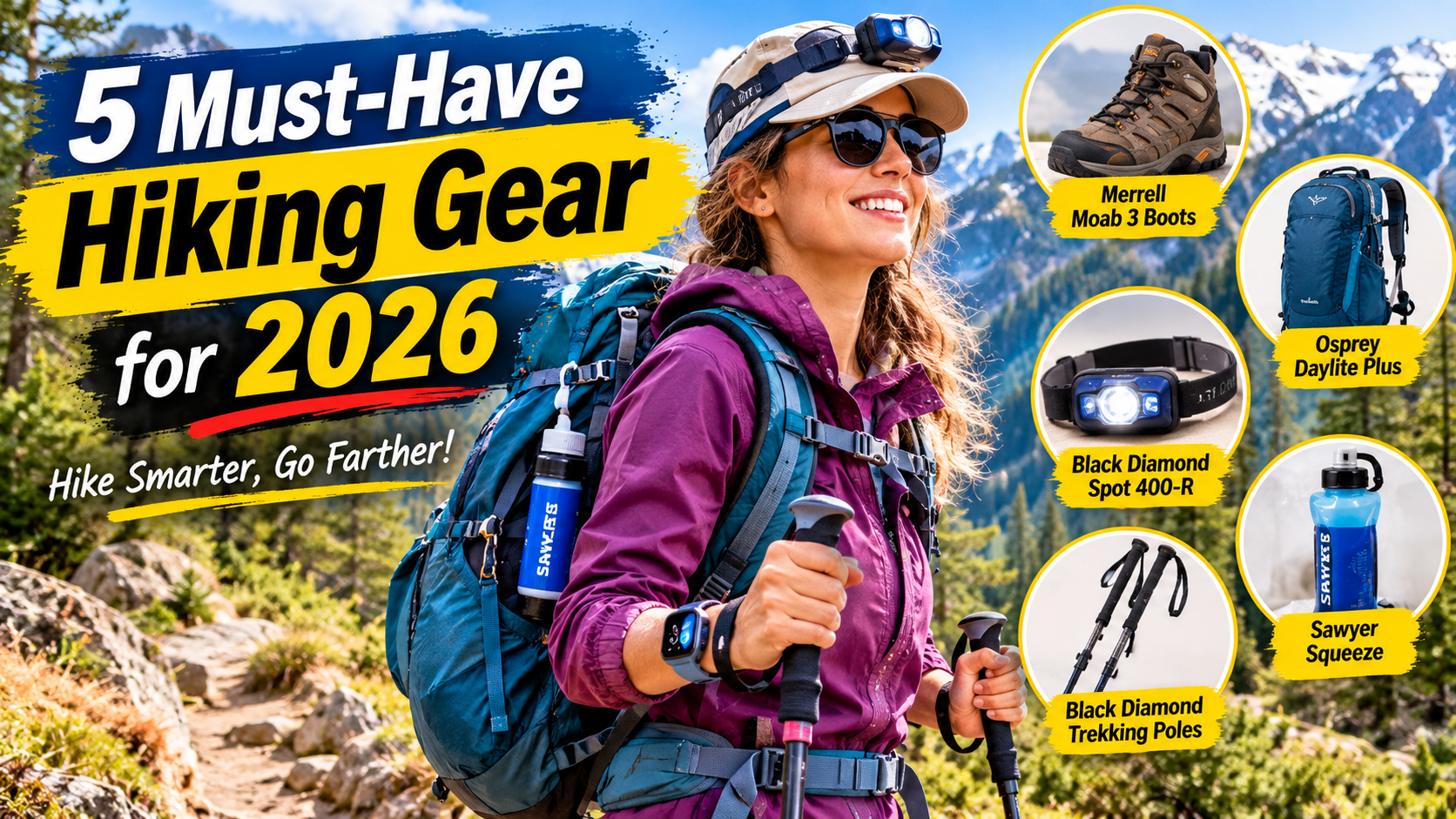
5 Must-Have Hiking Gear Picks for 2026
Hiking Gear: What Every Hiker Should Have in 2026
Preparing for a hiking expedition is thrilling. Yet, possessing the appropriate gear can significantly influence the difference between a pleasurable day in nature and a challenging outing. Whether you’re wandering down a local nature path, scaling a tough peak, or organizing a weekend backpacking journey, trustworthy hiking equipment enables you to remain comfortable, organized, and ready.
What should you prioritize buying first? Begin with the necessities: comfortable footwear, an appropriate backpack, reliable illumination, a trustworthy method for purifying drinking water, and tools to help you keep your footing on uneven terrain. These five categories cover some of the most typical requirements on the trail.
In this 2026 guide, we’ve curated five well-known products with established credibility in their respective categories. The selection takes into account practical features, product aesthetics, compatibility with various hiking styles, and the advantages and disadvantages noted by independent outdoor gear assessments. For instance, OutdoorGearLab’s 2026 hiking report reviews equipment across footwear, packs, hydration solutions, and accessories, while CleverHiker recommends items like the Sawyer Squeeze and Black Diamond Spot 400-R among its must-have backpacking gear.
An important note about ratings and Amazon assessments: The scores provided in this article are editorial evaluations, not verified customer-star averages from Amazon. Amazon listings may vary by size, color, seller, and product revisions. We were unable to independently verify live US Amazon star ratings or review counts for each exact listing while composing this article. Consequently, we won’t fabricate customer ratings or claim firsthand experience with these products. Utilize the Amazon links to verify the latest pricing, availability, and verified purchase feedback prior to placing an order.
Quick Shopping Tips for Choosing Hiking Gear
Before spending money, think about the kind of trails you’ll actually hike. A person taking short walks on maintained paths doesn’t need the same equipment as someone trekking through remote mountain terrain.
Here are a few practical shopping tips:
- Prioritize footwear: Boots or hiking shoes should fit comfortably, provide suitable traction, and match the terrain.
- Choose a backpack by capacity: A compact daypack is usually enough for a short outing, while overnight trips require more space.
- Don’t overlook lighting: A headlamp is useful when a hike takes longer than expected or begins before sunrise.
- Carry a water-treatment option: A filter can be valuable on longer trips, but always understand its limitations and carry enough water.
- Consider trekking poles: Poles can improve stability on steep, rocky, or slippery routes.
- Check the exact Amazon listing: Confirm the model, size, included accessories, seller, return policy, and recent customer comments.
- Avoid buying everything at once: Build a reliable basic kit first, then add specialist equipment as your hiking experience grows.
Most importantly, don’t choose hiking gear just because it looks impressive. Comfort, reliability, fit, and suitability for your planned route matter much more than a long list of marketing features.
Top 5 Must-Have Hiking Gear Reviews
The following products cover five useful equipment categories. Each one has a different purpose, so the best choice depends on your route, weather conditions, experience, and budget.
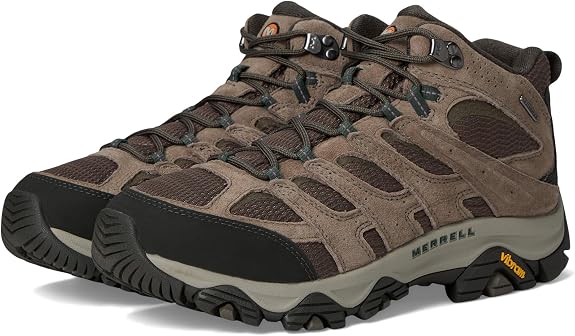
1. Merrell Moab 3 Mid Waterproof – Best Overall Hiking Boot
Editorial Rating: 4.8/5

The Merrell Moab series has established itself as a well-known name among casual hikers, and the Moab 3 Mid Waterproof serves as a functional choice for individuals seeking a classic mid-height hiking boot. It’s crafted for outdoor exploration, day treks, and varied trail environments where added ankle protection can be advantageous. Instead of emphasizing an ultra-lightweight racing approach, this boot strives to harmonize comfort, support, and day-to-day trail usability.
One of its key features is its waterproof build. This attribute proves beneficial when traversing wet grass, stepping through small puddles, or hiking in unpredictable weather conditions. However, waterproof footwear isn’t infallible: water can still seep in over the collar, and a waterproof lining might feel warmer compared to a highly ventilated non-waterproof shoe in hot weather. Hence, consider your local climate before opting for this version.
The Moab 3 Mid also incorporates cushioning and a supportive footbed to enhance comfort during extended walks. Its outsole delivers traction for common hiking terrains, including dirt paths and moderately rocky trails. Nevertheless, no boot can ensure grip on every type of surface. Wet slippery rock, loose gravel, mud, and steep declines still necessitate careful foot placement.
For newcomers, this makes for a tempting entry point as it provides the familiar security of a hiking boot without the extreme rigidity of some heavy-duty backpacking footwear. Additionally, the mid-height design may attract hikers who desire more coverage around the ankle. However, individual fit remains essential. Some require a wider toe box, while others opt for a snugger heel. Testing the right size with hiking socks is a wise strategy.
Key Features
- Mid-height hiking boot design.
- Waterproof construction.
- Cushioned footbed for walking comfort.
- Trail-oriented outsole for traction.
- Suitable for day hikes and general outdoor use.
- Available in different sizes and versions.
Pros
- Comfortable, versatile design for many recreational hikers.
- Waterproof protection is useful in wet conditions.
- Mid-height construction provides additional coverage.
- Suitable for everyday trails and moderate hikes.
- Established product family with broad market recognition.
Cons
- Can feel warm during hot-weather hikes.
- Waterproof protection adds limitations to breathability.
- Not the lightest option for fast-and-light hikers.
- Fit varies, so trying the correct size is important.
- Not a substitute for technical mountaineering footwear.
Who Should Buy It?
Choose the Merrell Moab 3 Mid Waterproof if you want a general-purpose hiking boot for day hikes, woodland paths, and mixed outdoor conditions. On the other hand, if you mostly hike in hot, dry weather or prefer a lightweight trail-running feel, compare it with breathable hiking shoes before buying.
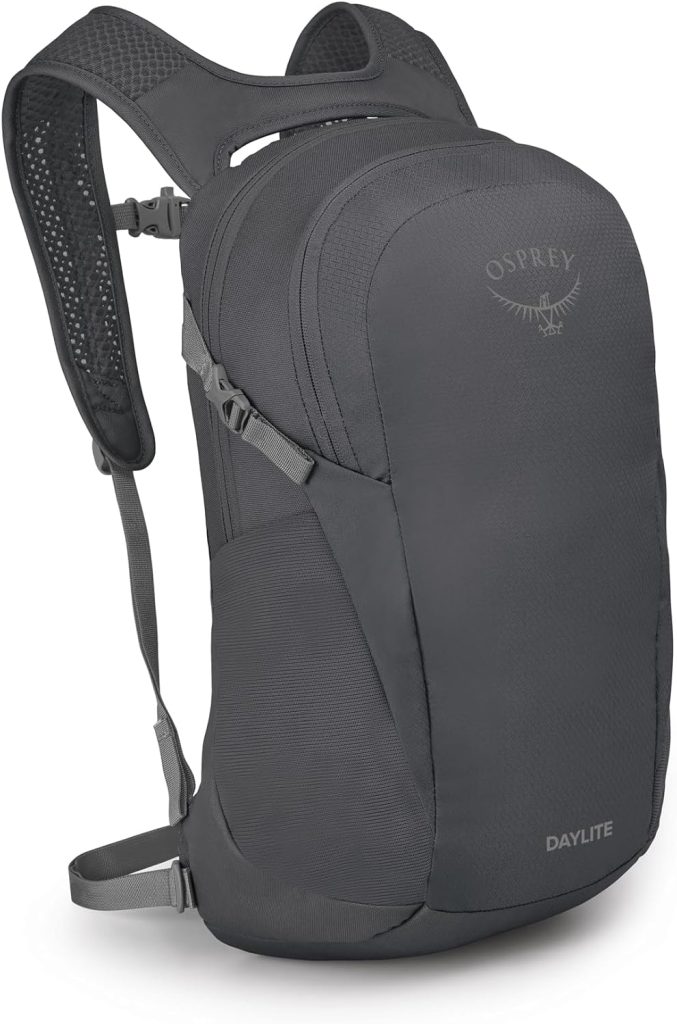
2. Osprey Daylite Plus – Best Hiking Backpack for Day Trips
Editorial Rating: 4.7/5
A quality backpack serves as more than just a spot to stash your water bottle and snacks. It aids in balancing the weight of your necessities, keeps crucial items within easy reach, and transforms a lengthy day in nature into a more orderly experience. The Osprey Daylite Plus is a streamlined daypack tailored for hikers and daily users who desire a flexible bag without the bulk of a large backpacking setup.
Its convenient size makes it ideal for day hikes when you require space for water, snacks, a light jacket, sunscreen, a first-aid kit, and other minor essentials. Moreover, the design proves useful outside of trail use. It can function as a daily commute bag, a travel daypack, or an everyday backpack, adding value for those who may not venture into the wild every weekend.
The Daylite Plus is part of Osprey’s well-known Daylite series. Its design prioritizes easy storage and simple organization over convoluted expedition features. This straightforwardness is advantageous for casual hikers: you can pack your necessities without wasting time managing multiple straps and compartments.
Nevertheless, capacity is a significant factor to consider. A compact daypack is not intended to supplant a larger overnight backpack. If you’re carrying a sleeping bag, tent, cooking supplies, and several days’ worth of food, you’ll require a larger pack with a more robust suspension system. Likewise, a fully packed daypack may become uncomfortable if you fail to adjust the straps correctly.
Comfort is also influenced by your torso length, body shape, and load. A backpack that feels perfect for one individual may not fit another as well. Thus, it’s wise to check the current product dimensions and test it with the estimated weight you plan to carry.
For hikers seeking a versatile bag for brief outdoor escapades and daily tasks, the Daylite Plus is a logical choice. It might not be the most specialized backpack available, but its adaptability is the key feature.
Key Features
- Compact daypack design.
- Multiple storage areas for everyday essentials.
- Suitable for hiking, travel, and commuting.
- Lightweight approach compared with large backpacking packs.
- Practical organization for day-trip equipment.
- Designed for versatile everyday use.
Pros
- Convenient size for many day hikes.
- Versatile enough for travel and daily activities.
- Simple organization makes packing straightforward.
- Less bulky than large backpacking backpacks.
- Recognizable outdoor brand with an established pack range.
Cons
- Not intended for multi-day backpacking loads.
- Fit and comfort depend on body shape.
- Limited space for bulky equipment.
- May require careful packing for longer outings.
- Not a replacement for a technical backpacking suspension system.
Who Should Buy It?
The Osprey Daylite Plus is a good option for casual hikers, travelers, and people who want a versatile daypack. However, if you’re planning overnight hikes or carrying heavy equipment, compare larger hiking backpacks with better load support.
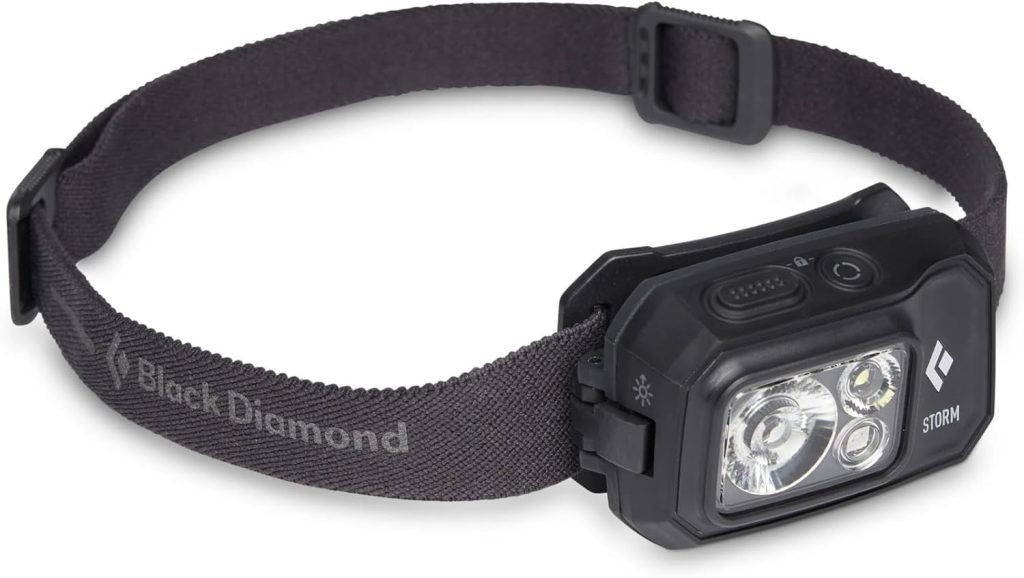
3. Black Diamond Spot 400-R – Best Rechargeable Hiking Headlamp
Editorial Rating: 4.7/5
A headlamp may appear to be a minor accessory, yet it can prove to be one of the most essential tools in your backpack. A hike can extend beyond expectations due to tough terrain, unpredictable weather, navigation errors, or simply pausing to relish the views. When the sun sets, a reliable light allows you to see your route while keeping your hands free.
The Black Diamond Spot 400-R is a rechargeable headlamp crafted for outdoor adventures. It boasts a maximum brightness of 400 lumens, although the actual luminosity and duration vary based on the chosen mode and battery status. This distinction is crucial: maximum intensity isn’t necessarily the setting you’ll utilize for the entire evening.
The headlamp design is particularly advantageous as it illuminates where you are looking. In contrast to a handheld torch, it frees both hands for adjusting trekking poles, consulting a map, managing gear, or setting up camp. Additionally, various lighting modes can help you achieve a balance between brightness and battery longevity.
The rechargeability feature is another significant benefit. Rather than frequently replacing single-use batteries, you can power up the integrated battery when you have access to electricity. However, this also imposes a duty: remember to charge the device before embarking. For extended journeys, a backup light or appropriate power source should still be taken into account.
A headlamp should be regarded as a piece of safety equipment, not just a luxury. Inspect the manufacturer’s water-resistant details, familiarize yourself with switching modes prior to your adventure, and test the battery at home. Even the brightest light is of little use if you’re unsure how to utilize it in darkness.
For daytime trekkers, campers, and backpackers seeking a compact, rechargeable light source, the Spot 400-R is worth a glance. Its value becomes particularly evident when a trip begins at dawn or concludes after sunset.
Key Features
- Advertised maximum output of 400 lumens.
- Rechargeable battery design.
- Hands-free headlamp format.
- Multiple lighting modes.
- Adjustable headband.
- Compact design for outdoor equipment kits.
Pros
- Keeps both hands free.
- Rechargeable design reduces dependence on disposable batteries.
- Useful for early starts and late finishes.
- Multiple modes offer lighting flexibility.
- Compact enough to carry as regular hiking equipment.
Cons
- Requires charging before use.
- Maximum brightness reduces runtime.
- Battery performance depends on operating conditions.
- Not a replacement for carrying backup lighting on remote trips.
- Users must learn the controls and modes.
Who Should Buy It?
Choose this headlamp if you hike early in the morning, camp overnight, or want reliable hands-free lighting in your pack. If you prefer replaceable batteries for remote expeditions, compare rechargeable and battery-powered alternatives before making your decision.
4. Sawyer Squeeze Water Filter – Best Lightweight Water Filtration Option
Editorial Rating: 4.8/5
Carrying sufficient drinking water is a crucial component of hiking readiness. Nonetheless, water is weighty, and extended trails may not offer easy access to treated water supplies. A portable water filtration system can thus be a valuable addition to a backpacking gear, as long as you comprehend how it works and how to use it correctly.
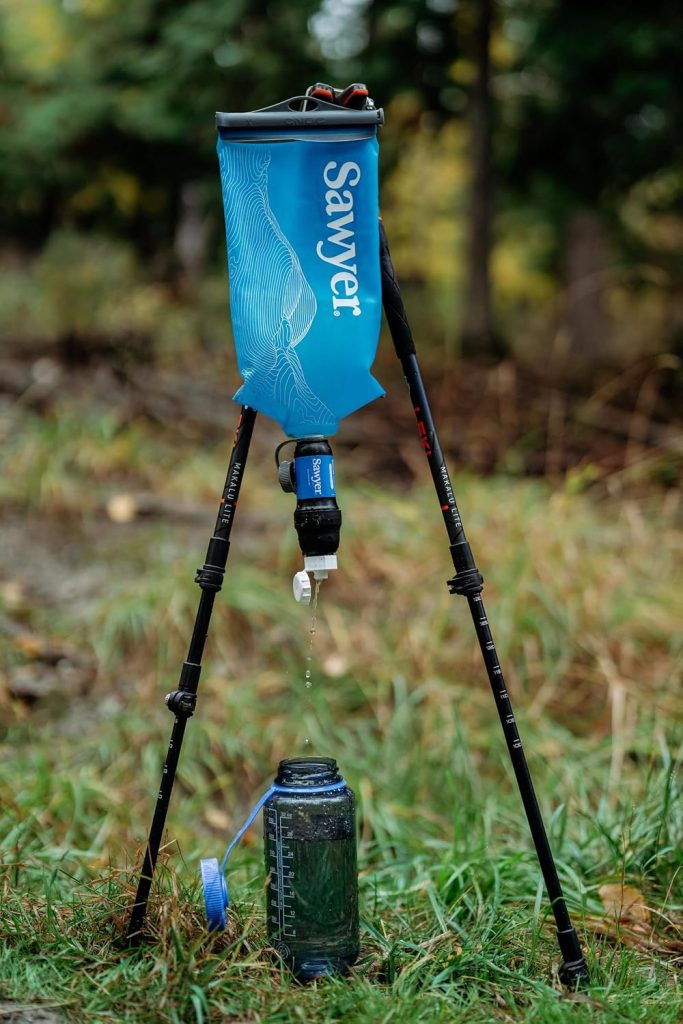
The Sawyer Squeeze is a compact squeeze-type water purifier that has gained fame among backpackers and outdoor aficionados. Its featherlight design makes it appealing to hikers looking to lighten their load without sacrificing the capability to purify water from appropriate natural sources.
The fundamental concept is simple: gather untreated water, attach the filter in accordance with the manufacturer’s guidelines, and squeeze the water through the filtration mechanism into a clean receptacle. The system is compatible with various bags and bottles, depending on the kit and configuration. This adaptability is beneficial since it allows hikers to tailor their setup to their preferred method of carrying water.
One reason the Sawyer Squeeze is commonly featured in backpacking gear recommendations is its blend of minimal weight and practical usefulness. CleverHiker includes it in its list of suggested water filtration options, while also highlighting the significance of having backup purification methods on longer excursions. This is a wise strategy. No filter should serve as a justification to neglect water safety.
There are things to keep in mind. A filter’s efficacy hinges on the impurities it’s designed to filter out. Traditional hollow-fiber filters may not eliminate viruses, dissolved chemicals, or saline substances. Just because water appears clear doesn’t guarantee its safety. Adhere to the manufacturer’s guidelines, be aware of the filter’s restrictions, and consider utilizing an additional purification method if the water source or local recommendations dictate it.
Maintenance is just as critical as filtration. Sediment build-up can hinder flow, and incorrect freezing or storage methods can harm certain filter components. Thoroughly review the care instructions, particularly if you’re hiking in colder climates.
For backpackers seeking a lightweight filtration solution for suitable freshwater sources, the Sawyer Squeeze is a compelling option to explore.
Key Features
- Compact squeeze-style filtration system.
- Lightweight design for backpacking.
- Compatible with specified water bags and containers.
- Designed for treating suitable freshwater sources.
- Portable alternative to carrying only large water containers.
- Requires cleaning and maintenance according to manufacturer guidance.
Pros
- Lightweight and easy to pack.
- Practical for longer hikes where freshwater sources are available.
- Flexible setup with compatible containers.
- Popular among backpacking equipment recommendations.
- Useful as part of a broader water-safety plan.
Cons
- Requires manual squeezing or compatible setup.
- Flow can slow when the filter becomes clogged.
- Does not remove every possible contaminant.
- Must be protected from damaging freezing conditions.
- Requires maintenance and careful handling.
Who Should Buy It?
The Sawyer Squeeze is worth considering for backpackers and hikers who understand water treatment and want a lightweight filter. However, if you hike only on short routes with reliable drinking-water facilities, a filter may not be necessary. Always carry enough water and follow local water-safety recommendations.
5. Black Diamond Trail Back Trekking Poles – Best Value Trekking Poles
Editorial Rating: 4.6/5
Trekking poles might not be a necessity for every hiker, but they can enhance the manageability of certain paths. During steep ascents, loose gravel, and uneven descents, having an additional point of contact with the ground can help some individuals feel more secure. They also enable a way to distribute some of the exertion between the upper and lower body.
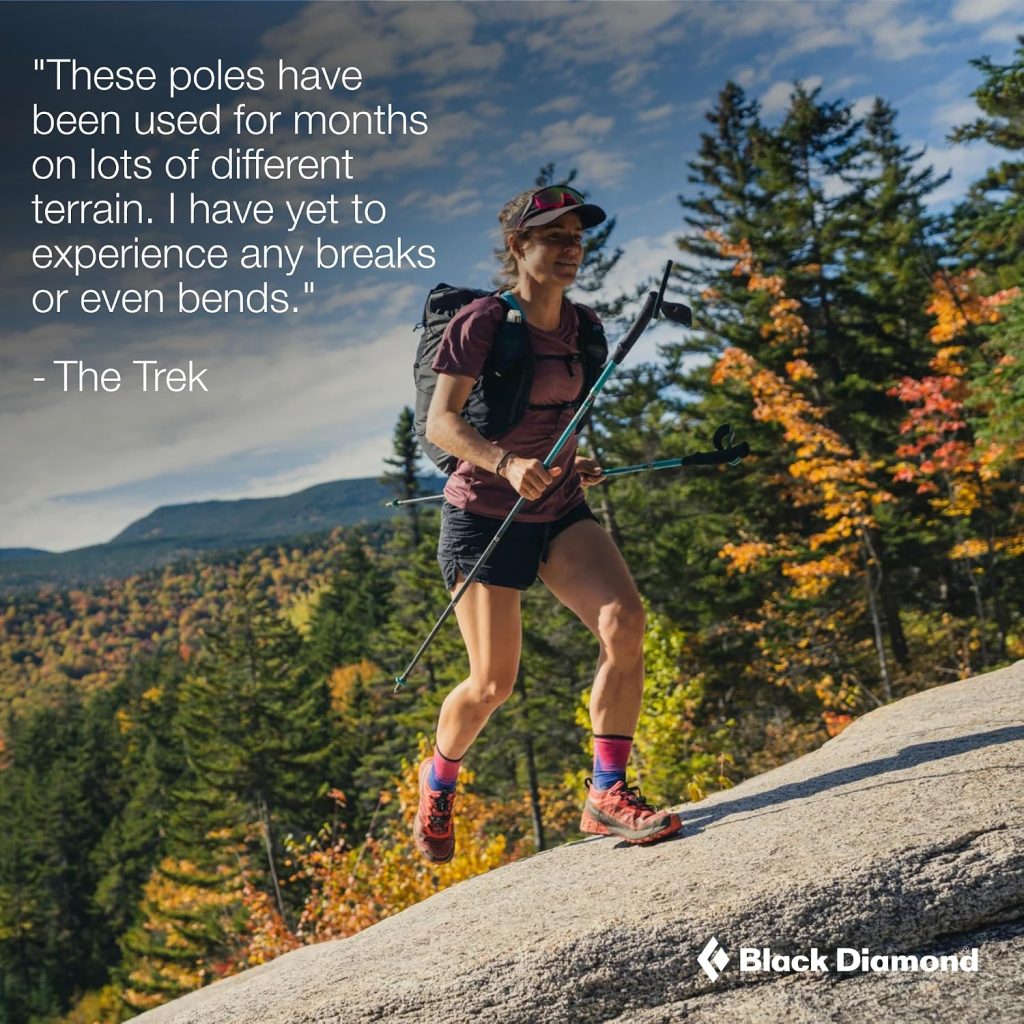
The Black Diamond Trail Back trekking poles present a practical selection for hikers in search of a traditional adjustable pole design. Instead of being a lightweight carbon-fiber specialty product, the Trail Back series caters to those seeking reliable trail support and straightforward functionality.
The ability to adjust is particularly advantageous since pole length can be modified to accommodate various terrain. A slightly shorter configuration may feel more natural when ascending, while a longer setup can be beneficial during specific descents. The correct length relies on your height, technique, and personal comfort, so it’s essential to take time to learn how to adjust the poles appropriately.
The grips and wrist straps are also critical. A comfortable grip can minimize discomfort during extended hikes, while a well-fitted strap can aid in maintaining control without the need to grip too tightly. However, poles should never be used recklessly. On technical paths, they can become stuck between rocks or roots, so hikers must be mindful of their positioning.
Trekking poles are particularly beneficial for those who carry a heavier backpack or frequently hike on trails with considerable elevation changes. Nevertheless, they add extra gear to manage, and some hikers prefer to keep their hands unencumbered. Additionally, they may be excessive on flat, well-kept trails.
The Trail Back is best regarded as a versatile all-around option rather than a specialized ultralight pole. If minimizing pack weight is your top priority, consider comparing it with folding carbon models. If sturdiness and straightforward trail use are more important, this style may be just what you’re looking for.
Key Features
- Adjustable trekking pole design.
- Built for general hiking and trail use.
- Grip and wrist-strap arrangement.
- Suitable for varied terrain when correctly adjusted.
- Traditional pole format.
- Designed to provide additional support while walking.
Pros
- Useful for balance on uneven trails.
- Adjustable length supports different terrain.
- Can help distribute effort during long hikes.
- Practical option for hikers carrying a backpack.
- Suitable for general recreational trail use.
Cons
- Adds weight and bulk to your equipment.
- Requires practice to use effectively.
- Not as compact as some folding poles.
- Pole tips and baskets may need maintenance or replacement.
- Not every hiker needs trekking poles.
Who Should Buy It?
Consider the Black Diamond Trail Back if you frequently hike on uneven ground, steep trails, or routes where extra stability is useful. If you mainly walk on flat paths, you may be better off spending your money on footwear, hydration, or another essential.
Hiking Gear Comparison Table
| Product | Category | Editorial Score | Best For |
|---|---|---|---|
| Merrell Moab 3 Mid Waterproof | Hiking boots | 4.8/5 | General day hiking |
| Osprey Daylite Plus | Daypack | 4.7/5 | Day trips and everyday use |
| Black Diamond Spot 400-R | Headlamp | 4.7/5 | Hands-free lighting |
| Sawyer Squeeze | Water filter | 4.8/5 | Lightweight water filtration |
| Black Diamond Trail Back | Trekking poles | 4.6/5 | Added support on uneven terrain |
Important: These are editorial scores for this guide, not Amazon star ratings. Check the exact US Amazon listing for current customer ratings, review counts, price, size options, and availability.
How to Choose the Right Hiking Gear
Choosing equipment becomes easier when you work through your actual hiking needs instead of buying products at random. First, consider the type of terrain. A smooth park trail doesn’t demand the same footwear or support as a steep rocky route. Similarly, a short afternoon walk requires less storage than an overnight backpacking trip.
1. Align Your Footwear with the Trail
Prioritizing foot comfort is essential. Seek out appropriate traction, a snug heel, ample toe space, and a pleasant fit with the socks you’ll don outside. Waterproof footwear is beneficial in damp conditions, but ventilated shoes might offer more comfort in hot climates. Regardless, ensure you break in new shoes prior to embarking on a long trek.
2. Select the Right Backpack Size
For a brief day outing, a small backpack might suffice. However, extended trails necessitate more space for hydration, provisions, extra clothing, navigation tools, and emergency gear. Additionally, focus on shoulder straps, back ventilation, and how the pack feels when filled.
3. Prepare for Water and Hydration Needs
Never presume a natural stream is safe for consumption. Bring sufficient water and familiarize yourself with the performance of any filtering or treatment device you carry. Moreover, verify if your path has dependable refill points. For secluded hikes, consider packing a secondary treatment method.
4. Bring Lighting Even on Day Excursions
A compact headlamp can be handy if a hike extends later than planned. Opt for a model with intuitive controls, know its battery life, and charge it prior to leaving. For remote excursions, having a backup light is a wise safety measure.
5. Determine Whether Trekking Poles Are Beneficial
Poles can offer extra stability on uneven ground, but they aren’t essential for everyone. Experiment with them on a short walk before depending on them for a challenging hike. Fit their length and wrist straps correctly, and learn to move fluidly with them.
6. Consider Safety Beyond Gear
Even the finest hiking equipment cannot substitute for thorough preparation. Before you go, check the weather forecast, inform someone of your planned route, carry a map or appropriate navigation device, and include a basic first-aid kit. Additionally, ensure you have ample food, water, and clothing for unforeseen delays.
Frequently Asked Questions
1. What is the essential hiking equipment for novices?
Begin with cozy footwear, an appropriate backpack, sufficient hydration, snacks, attire suitable for the climate, and a fundamental first-aid kit. A headlamp and a navigation tool are also prudent enhancements. The specific gear required varies based on the trail, season, and anticipated duration.
2. Is waterproof hiking equipment always superior?
Not necessarily. Waterproof shoes and garments can be advantageous in wet conditions, soggy grass, and muddy environments. However, waterproof fabrics may offer less breathability than other options. In hot or arid terrains, lightweight and breathable gear might be more comfortable.
3. What size backpack is necessary for a day trek?
A small daypack is often adequate for a brief excursion, but the ideal volume hinges on the amount of water, food, clothing, and safety gear you have. Longer or colder hikes may demand more capacity. Always verify the pack’s measurements and fit prior to purchase.
4. Are trekking poles a worthwhile investment?
They can prove beneficial on steep, rocky, or uneven paths, especially when seeking extra support. Some hikers also find them valuable when carrying a heavier load. However, they’re not required for many easy, flat walking trails.
5. Can the Sawyer Squeeze ensure all water is safe to drink?
No. A portable filtration system has defined limitations and does not always eliminate viruses, dissolved chemicals, or salt. Consult the manufacturer’s guidelines and be aware of which contaminants the filter targets. Utilize extra purification when the water source or local safety recommendations advise so.
6. Why is it advisable to carry a headlamp during a daytime hike?
A hike might extend longer than anticipated due to weather, challenging terrain, or navigation hiccups. A headlamp offers hands-free illumination if you find yourself returning after dusk. It’s a compact safety measure that can be useful even with plans to finish before nightfall.
7. How can I discover the best hiking gear bargains on Amazon US?
Search for the precise model name and compare the current price of listings, vendor details, size or color variations, return policies, and recent verified-user reviews. Additionally, confirm if the listing corresponds to the specific product version you desire. Be cautious when reviews seem to mix different models or variations.
8. Is it wise for a beginner to invest in costly hiking gear?
Not necessarily. Purchase reliable basics that suit your intended routes. You can enhance specialized gear later as you better understand what features are most important to you. A comfortable, well-fitting boot tends to be a more worthwhile investment than an expensive accessory that is seldom used.
9. How ought I to care for my hiking equipment?
Clean footwear post-muddy hikes and let it dry according to the manufacturer’s instructions. Empty and ventilate backpacks, charge headlamps, and examine trekking poles for any damages. For water filters, adhere to the specific cleaning, storage, and freezing guidelines outlined by the manufacturer.
10. What should I verify before purchasing hiking gear online?
Ensure the model name, size, dimensions, materials, included accessories, seller, shipping conditions, and return policy are correct. Review recent customer feedback, particularly remarks about fit, durability, comfort, and product variations. Finally, review the listing again before checkout, as prices and availability might fluctuate.
Final Assessment: Which Hiking Equipment Is Worth Investing In?
The finest hiking equipment is that which matches your trail, fits you well, and accomplishes the tasks you require. There’s no need to acquire every gadget available to relish the great outdoors. Instead, begin with a sturdy base and incorporate specialized gear as your hiking ambitions grow.
Among these five choices, the Merrell Moab 3 Mid Waterproof stands out as our top shoe recommendation for casual day hikes, while the Osprey Daylite Plus serves as a flexible option for transporting daily trail necessities. The Black Diamond Spot 400-R provides practical hands-free illumination, the Sawyer Squeeze presents a lightweight filtration solution for appropriate freshwater sources, and the Black Diamond Trail Back delivers enhanced support on rugged terrain.
In the end, the ideal purchase hinges on your individual requirements. Before making a purchase, review the latest Amazon US listings, browse through recent verified-buyer feedback, and ensure the specific model meets your specifications. Most importantly, prepare for the conditions you will face rather than depending solely on your gear.
A well-considered kit, prudent planning, and a mindful attitude towards nature will contribute to a safer and more enjoyable hiking experience. Happy trails!